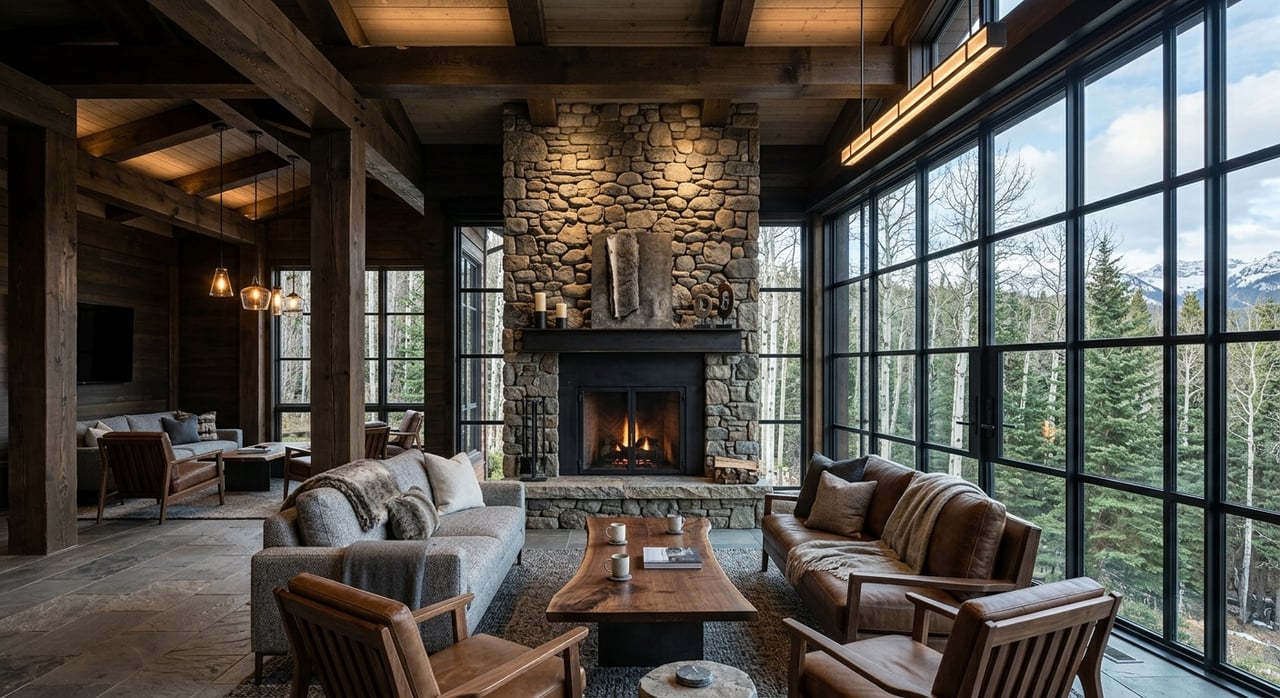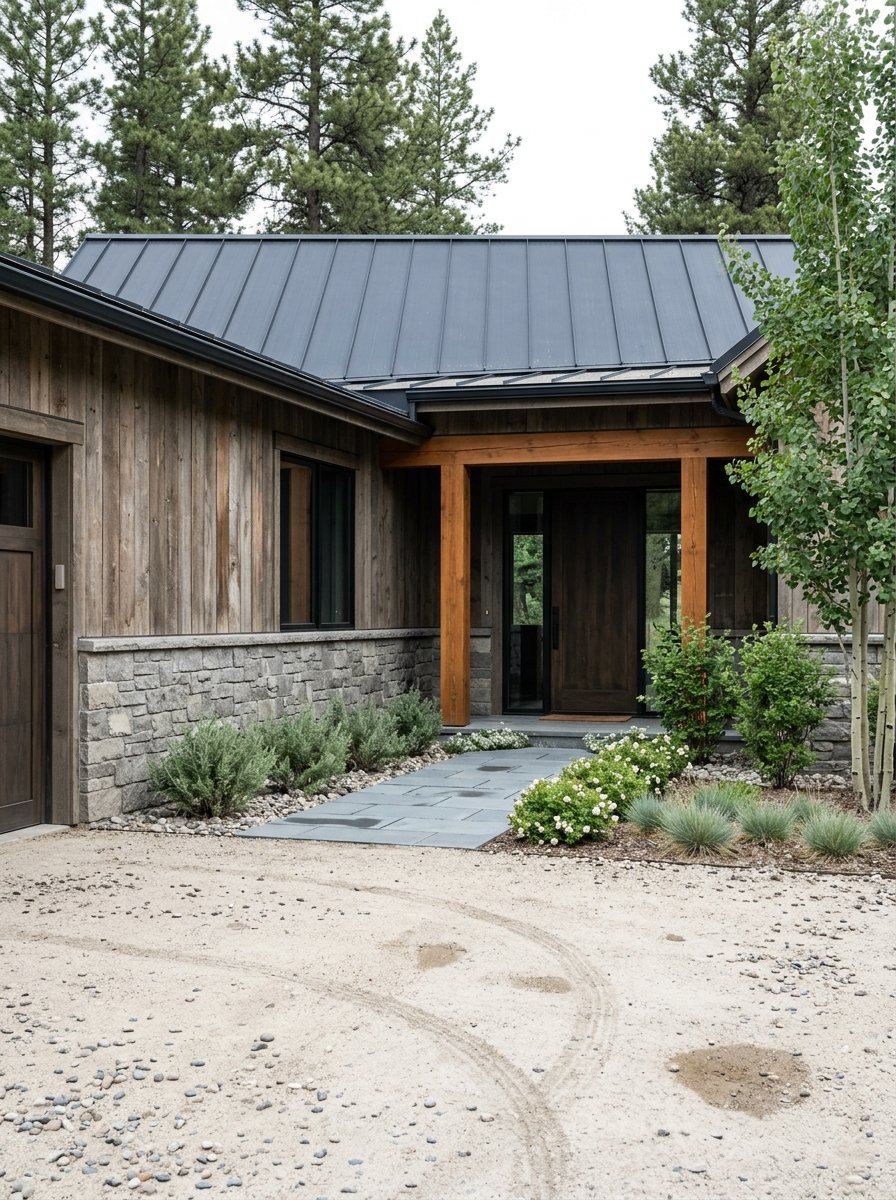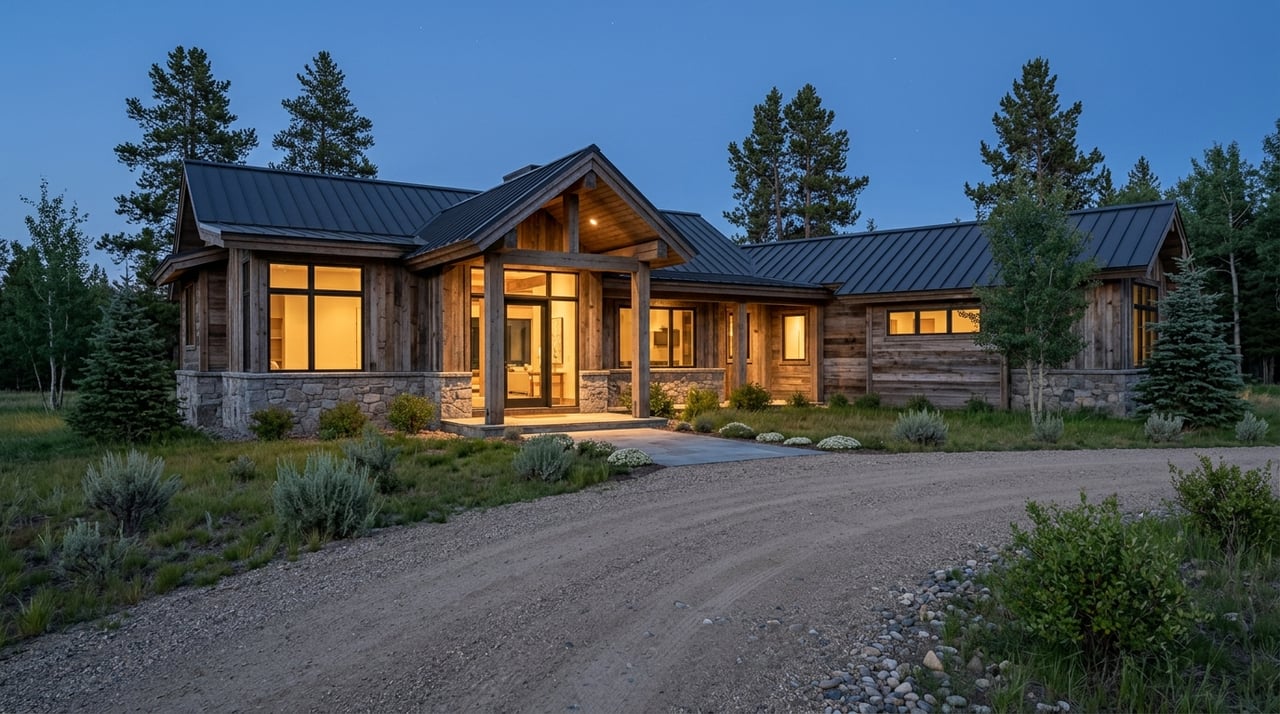
If you are drawn to land north of Jackson, you are probably picturing exactly what makes this area so compelling: broad views, daily wildlife sightings, and a little more breathing room without losing access to town, the airport, or Grand Teton National Park. That appeal is real, but so are the ownership details that come with it. Before you buy, it helps to understand how zoning, wildlife rules, overlays, plats, and private restrictions can shape what you can build, light, fence, or change over time. Let’s dive in.
What “North of Jackson” Really Means
“North of Jackson” is a market phrase, not a formal legal boundary. In Teton County’s future land-use framework, “North of Town” is part of the County Rural districts, which are intended for conservation and very low-density development, but the county also makes clear that future land-use maps are guidance rather than regulation. For any specific parcel, the controlling documents are the zoning map and Land Development Regulations, not the broad planning label found in the Future Land Use Plan.
That distinction matters because two properties that seem similar on a map can operate very differently in practice. If you are evaluating acreage, an estate parcel, or a second-home site north of town, you will want to look beyond the general area name and study the parcel itself.
Why Buyers Look North of Town
For many buyers, the attraction starts with the setting. Teton County notes that the Snake River corridor through Jackson Hole offers spectacular views of the Teton and Gros Ventre ranges, and county scenic-resource materials identify the Broadway and North Highway 89 area as a scenic corridor with views tied to the Elk Refuge, Spring Gulch, East Gros Ventre Butte, and glimpses of the Tetons through the landscape. You can see that emphasis in the county’s river-access information.
Access is the other half of the equation. County documents describe US 89 as the paved north-south route connecting Jackson to the airport and points north, including Grand Teton National Park. If you want privacy and scenery without feeling disconnected, that corridor often stands out for exactly that balance.
Start With the Land-Use Stack
When you buy north of Jackson, zoning is only one layer of the story. Teton County organizes land into urban, suburban, rural, conservation, special-purpose, and overlay districts, and each district has a different purpose. The Land Development Regulations explain that rural districts are intended to preserve agricultural and rural character, natural features, and scenic areas, while suburban districts are intended for lower-density residential development with more open space and privacy than urban zones.
That general framework is useful, but it is not enough on its own. A parcel’s actual development potential may also be shaped by recorded plats, building envelopes, setback notes, easements, permit history, and private CC&Rs.
Zoning Is Only the First Check
A buyer’s first question is often simple: Can I build or remodel what I want? In this part of Teton County, the answer is usually, “Only after careful review.” Setbacks and height limits depend on zoning and, in some cases, on the specific use, but subdivision plat notes can change the default rules.
Teton County’s planning guidance specifically notes that subdivision plats may contain building envelopes or additional setbacks. That is why parcel-level review matters so much, especially north of town where lot conditions can vary widely from one property to the next.
Plats, Easements, and CC&Rs Matter
The county’s GIS portal and records tools are designed to help with parcel-by-parcel research. In addition, the county advises buyers to review CC&Rs because private subdivision rules can be more restrictive than county standards. The county even notes, in home-business guidance, that some subdivisions prohibit uses that county rules might otherwise allow.
In practical terms, you should treat the due-diligence process as layered:
- Confirm the zoning district
- Check the Natural Resources Overlay tier
- Pull the recorded plat
- Review permit history
- Read easements and CC&Rs
- Identify any buffer or airport-related constraints
Wildlife Rules Are Part of Ownership
North of Jackson is not just scenic. It is an active wildlife landscape, and county rules reflect that reality. As of May 1, 2025, Teton County uses a three-tier Natural Resources Overlay and requires a Natural Resource Assessment before any physical development permit or new use in the county. Depending on the parcel and project, that may involve a desktop checklist, zoning compliance verification, or a more detailed environmental analysis, as outlined in the county Planning FAQ.
This is not abstract policy. Teton County’s Safe Wildlife Crossings program identifies North Highway 89 as one of the county’s priority crossing segments, and county staff describe the N89 Fish Hatchery area as a key elk migration corridor linking Grand Teton National Park, the Gros Ventre Range, and the Snake River Valley.
Fencing Has to Be Wildlife-Friendly
If you are picturing classic rural fencing, be careful not to assume any style will work. County guidance says fences do not need a permit only if they meet wildlife-friendly standards. In general, new fencing can be no higher than 38 inches, must provide at least 16 inches of ground clearance, and must keep top wires or rails at least 12 inches apart.
The county also states that buck-and-rail fencing is prohibited unless a special exemption is granted. That is a good example of how design choices that seem simple on paper can quickly become land-use questions in this market.
Bear-Resistant Trash Is Required
Daily ownership also comes with practical wildlife management. Teton County requires bear-resistant trash and recycling containers countywide, and county wildlife-feeding rules prohibit feeding bears, moose, elk, deer, bison, coyotes, foxes, sheep, and antelope. The county also says bird feeders are allowed only when they are inaccessible to other wildlife.
For buyers used to more conventional suburban ownership, this is an adjustment. Here, wildlife awareness is not a side note. It is part of routine property stewardship.
Dark Skies Shape Exterior Design
One of the most distinctive qualities north of Jackson is the night sky. Teton County says it became the first county entity in the world to receive International Dark Sky Certification, and it actively regulates exterior lighting to preserve that resource. You can review the county’s dark-sky framework on its Dark Skies page.
For homeowners, this affects real design decisions. Exterior lighting rules require fixtures with total cut-off so bulbs are shielded from view from the perimeter of the lit area. Current county materials also show a 3,000 Kelvin light-color limit and require full shielding for lights over 600 initial lumens.
If you are planning a new build, remodel, or landscape upgrade, lighting should be part of your early review rather than a late-stage detail. A thoughtful lighting plan can support both compliance and a more restrained, place-sensitive design.
Water and Wetland Buffers Can Limit Buildable Area
A parcel may look large on paper and still have a smaller practical building area than you expect. Teton County’s planning FAQ states that required setbacks include 150 feet from rivers, 100 feet from perennial or intermittent streams and natural lakes or ponds, 30 feet from ephemeral streams, and 50 feet from wetlands.
Those buffers must remain free of development, grading, fencing, storage, and similar disturbance. On river-adjacent or environmentally sensitive sites north of Jackson, those standards can significantly shape where a home, guest structure, driveway, or outdoor improvement may be placed.
Airport Height Limits Can Affect Design
For buyers who value quick access to the airport, proximity can be a major advantage. But it can also create another layer of review. The Jackson Hole Airport Resolution establishes approach, transition, horizontal, and conical zones, and structures or even trees in those zones cannot exceed the applicable height limits.
That means rooflines, chimneys, future additions, and tree growth may all matter depending on location. If you are evaluating a parcel north of town, airport-related height constraints should be part of your early diligence, not a surprise after design work begins.
A Smart Due-Diligence Sequence
The best north-of-Jackson purchases usually begin with disciplined research. Teton County’s Records & Archives portal and GIS tools make it possible to review permits, scanned documents, zoning, and property layers before you get too far into assumptions.
A practical review sequence looks like this:
- Confirm zoning in county GIS.
- Identify the parcel’s Natural Resources Overlay tier.
- Pull the subdivision plat and look for building envelopes or added setbacks.
- Review permit history and scanned property records.
- Read recorded easements and any CC&Rs.
- Check for river, stream, wetland, or other protected buffers.
- Determine whether airport height limits may affect current or future improvements.
This process is especially important for luxury buyers pursuing long-term flexibility. If your goal is to preserve views, add structures over time, or create a lasting retreat for future generations, the details behind the parcel matter just as much as the setting itself.
North of Jackson Rewards Careful Buyers
Buying north of Jackson can offer a remarkable combination of scenery, access, and long-term ownership appeal. It can also require more homework than buyers expect at first glance. Between zoning, overlays, wildlife rules, dark-sky standards, water buffers, plats, and private restrictions, the most successful purchases are usually the ones approached with patience and precision.
That is where local guidance becomes valuable. If you are considering property north of town and want experienced, discreet help evaluating parcel constraints, lifestyle fit, and long-term potential, Graham Faupel Mendenhall & Associates can help you navigate the process with the care this market deserves.
FAQs
What does “North of Jackson” mean in Teton County real estate?
- It is a market shorthand rather than a legal boundary, and a parcel’s actual development rules depend on its zoning, overlays, plats, and other recorded restrictions.
Can you build freely on land north of Jackson?
- No. What you can build or remodel may be limited by zoning, subdivision plat notes, Natural Resources Overlay requirements, easements, CC&Rs, waterbody buffers, and airport height rules.
What wildlife rules apply to property north of Jackson?
- Owners should expect wildlife-friendly fencing standards, required bear-resistant trash and recycling containers, and county rules that prohibit feeding many types of wildlife.
Do dark-sky rules affect homes north of Jackson?
- Yes. Teton County regulates exterior lighting with shielding and color standards, so lighting design should be reviewed early in any building or renovation plan.
Why should buyers review plats and CC&Rs for north-of-Jackson property?
- Because recorded plats can add building envelopes or extra setbacks, and CC&Rs may restrict uses more tightly than county regulations.
How do streams, wetlands, and rivers affect north-of-Jackson parcels?
- Required buffers from rivers, streams, lakes, ponds, and wetlands can reduce the usable building area and limit where improvements may be placed.