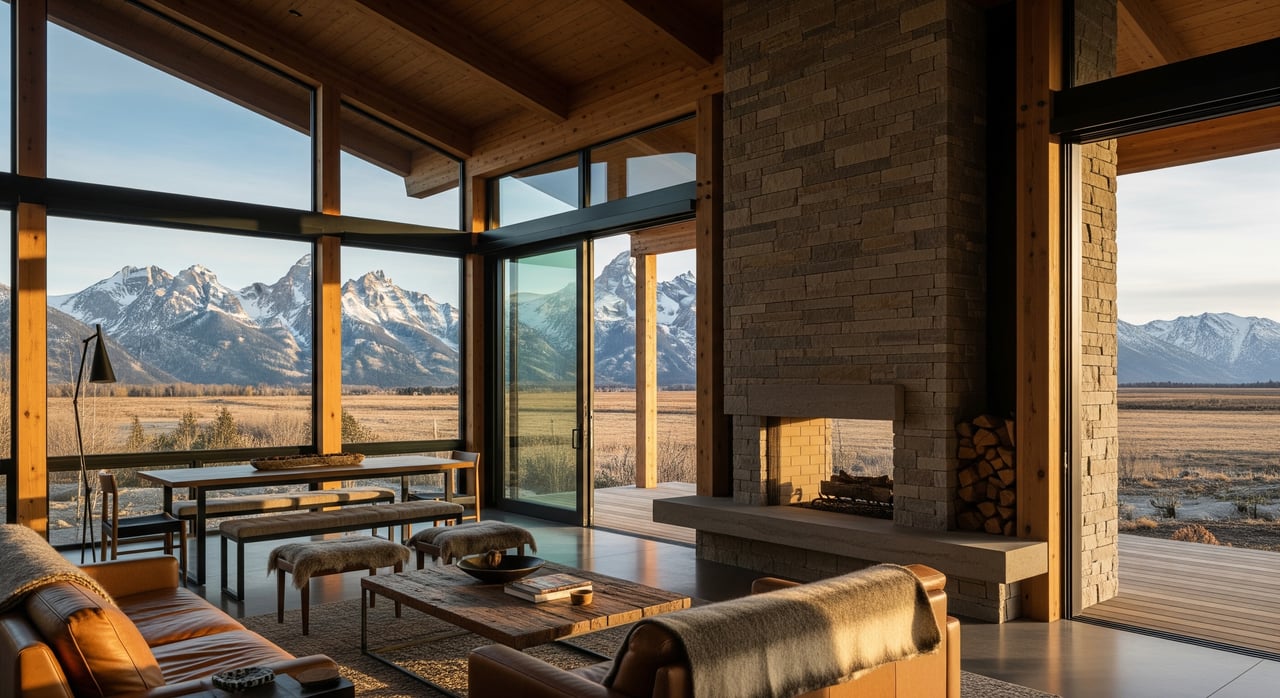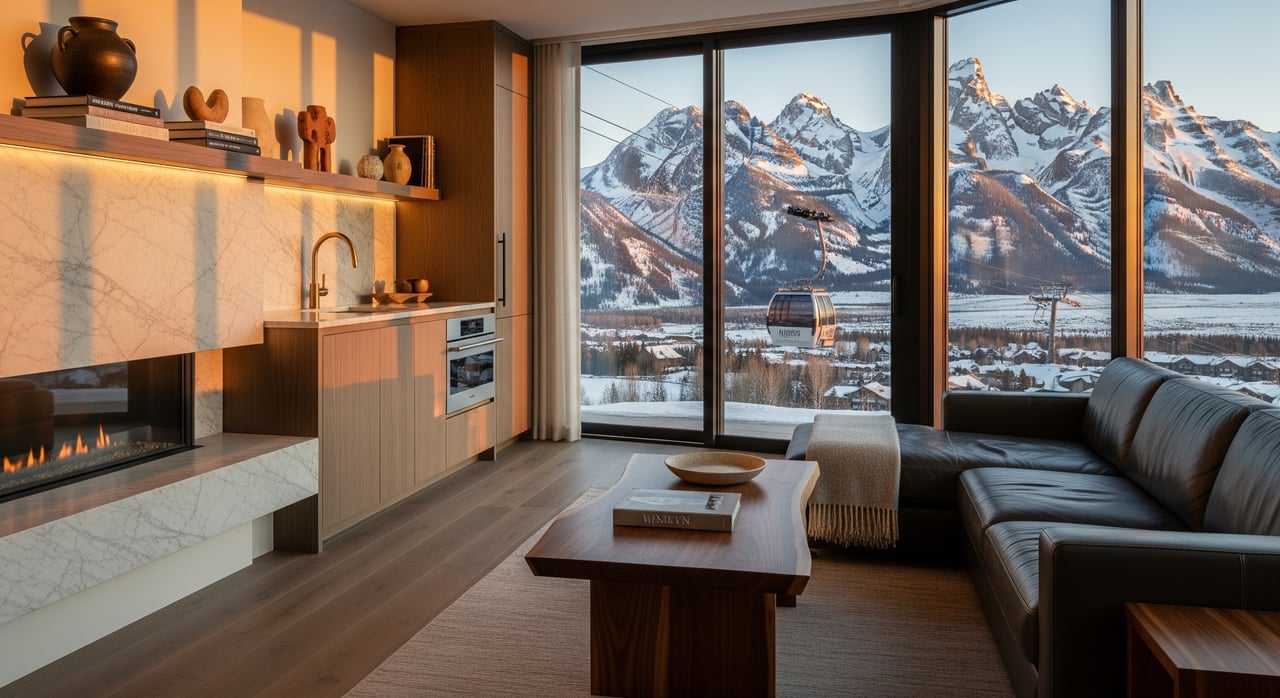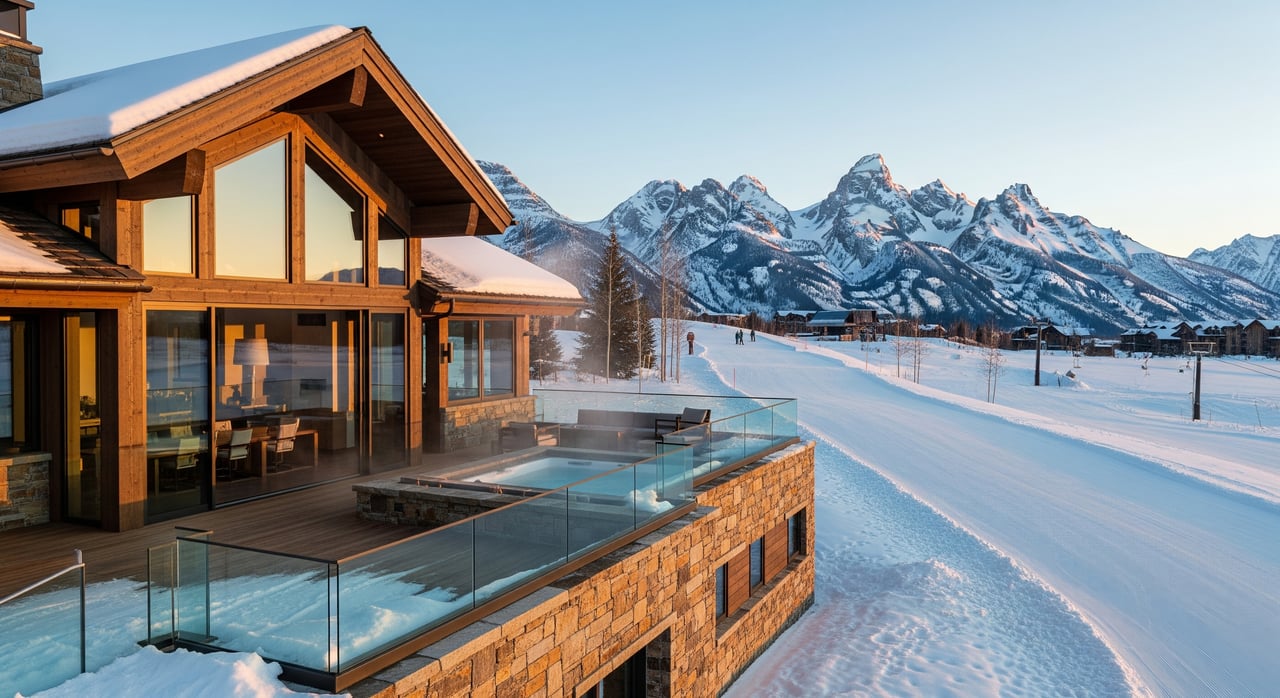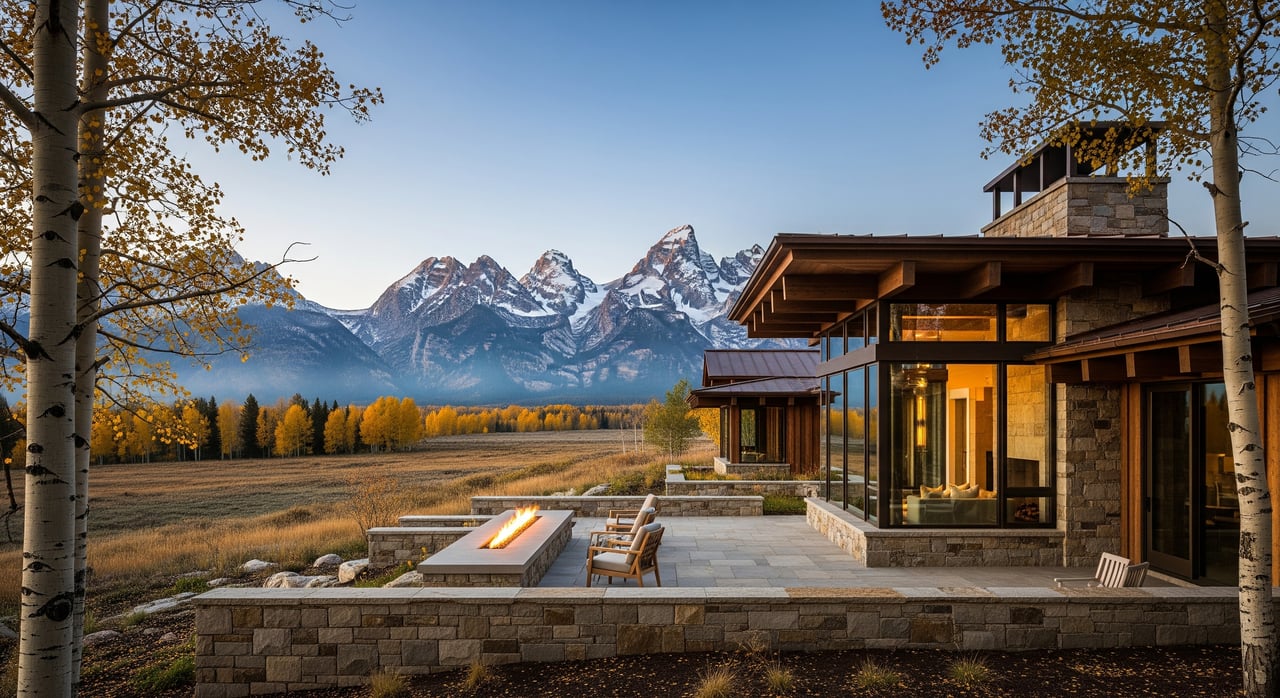
Thinking about a second home on the Idaho side of the Tetons? You are not alone. Many buyers look to Driggs, Victor, and Tetonia for mountain access, more inventory, and prices that often trail Jackson Hole. The financing, however, works a bit differently in a resort market. In this guide, you will learn how lenders classify second homes, what loan options actually work in Teton Valley, how condo and condo‑hotel rules affect eligibility, and what to consider if you can buy in Idaho or Wyoming. Let’s dive in.
Second home vs investment: why it matters
How you plan to use the property shapes your loan terms. Lenders sort occupancy into three buckets: primary residence, second home, and investment. Second homes sit in the middle. Pricing is usually better than investment loans, but not as favorable as a primary home.
If you intend to occupy seasonally and not operate the property primarily as a short‑term rental, many conventional programs are available. If your plan is to run it as a nightly rental, lenders may classify the loan as an investment. That can mean a larger down payment, more reserves, and higher rates.
Clear intention helps. Be ready to show owner use and review HOA and local rules, especially if you expect any rental income.
Your main loan paths in Teton Valley
Conventional loans for vacation use
Conventional (Fannie Mae or Freddie Mac) loans are the most common path for a true second home. They fit well for single‑family homes and standard condo projects that meet agency eligibility standards. Many buyers start here when the property is for personal use and not primarily a short‑term rental.
What to expect:
- Down payment: commonly around 10 percent for second homes, with many lenders asking for 15 percent or more depending on price, condo status, and your profile.
- Credit and DTI: stronger credit helps, and lenders often prefer total debt‑to‑income at or below the low‑to‑mid 40s.
- Reserves: plan for several months of mortgage payments in liquid reserves, often six or more.
Condo note: standard condos may qualify if the project’s budget, reserves, insurance, and owner‑occupancy mix meet agency rules. Condo‑hotels are often ineligible.
Jumbo and portfolio loans
Higher‑priced properties or unique homes may exceed conforming loan limits. In that case, you will look at jumbo or portfolio financing through banks and credit unions that keep loans on their books. These lenders can be flexible with property types and income documentation, which is useful in a resort market.
What to expect:
- Larger down payments, often 20 percent or more.
- Pricing that can be higher than conforming.
- Extra focus on reserves and your overall financial picture.
Government‑insured programs
FHA, VA, and USDA loans are built for primary residences. They generally do not apply to second‑home purchases. FHA and VA also add strict condo project standards and typically exclude condo‑hotels. If you need a low down payment program, it must align with a primary residence plan.
Cash, bridge loans, and HELOCs
Cash is common in competitive resort markets and removes appraisal and loan contingencies. Bridge financing or a home equity line of credit can help you buy before selling your current home. Hard‑money financing is also available for fast or non‑standard deals, but it carries higher costs and shorter terms.
Property type drives eligibility
Single‑family and standard condos
Detached homes and standard condo projects are the simplest for conventional underwriting. Lenders will still review HOA budgets, insurance, reserves, and any special assessments. They will also look at owner‑occupancy ratios and rental rules. Projects with healthy reserves and clear governance tend to move smoothly through review.
Condo‑hotels and STR‑heavy projects
Condo‑hotels, or hotel‑style condos with front desk services and short‑term rental programs, are a different story. Many agency programs and government‑insured loans consider them ineligible. If you love a unit in a hotel or a project centered on nightly rentals, expect to use jumbo or portfolio financing. Plan for larger down payments, higher rates, and more documents, such as rental pool agreements and historical statements.
How lenders underwrite in a resort market
Credit, DTI, and reserves
Second‑home loans reward strong profiles. Higher credit scores can unlock better pricing. Lenders commonly prefer total DTI at or under about 43 to 45 percent, and they look for healthy cash reserves. If you have multiple financed properties, reserve requirements can rise.
Appraisals and comparables
Valuing a mountain property can be complex. Appraisers need comparable sales that reflect seasonal access, resort amenities, and any rental influence. Unique homes or rural parcels may require additional adjustments. Be ready for extra appraisal scrutiny if the property is atypical.
Rental income rules
Long‑term rental income can sometimes count if there is a signed lease and tax return support. Short‑term rental income is tougher. Many lenders will not use projected nightly rental revenue unless there is a documented, stable history, often two years or more, plus management statements and tax returns. If STR income cannot be documented to standards, lenders usually treat the deal as an investment loan.
HOA and project review
Your lender will analyze HOA reserves, budgets, insurance, litigation, and rental policies. Projects with high investor concentration or heavy nightly rental reliance can be flagged. Early project review prevents surprises that can derail financing.
Insurance and environmental factors
Wildfire risk and mountain weather can influence insurance costs. Lenders require adequate hazard insurance, and flood insurance may be needed in designated zones. Seasonal access, road conditions, and property condition also factor into underwriting. If a home has notable deferred maintenance, the lender may require repairs.
Idaho vs Wyoming: cross‑border considerations
Taxes and ownership costs
Wyoming does not levy a state individual income tax. Idaho does have a state income tax. Property taxes and local assessments vary by county in both states. If you are weighing where to establish residency, speak with a qualified tax professional. The right answer depends on your broader financial picture.
Market pricing and inventory
Jackson Hole has historically carried higher prices than many Idaho‑side neighborhoods. That often puts Teton Valley in play for buyers who want proximity with a wider range of options. The result can affect your loan size, whether you need a jumbo loan, and how you position an offer.
Lender and closing mechanics
Many lenders operate on both sides of the border, but title work, recording fees, and certain closing costs can differ by state and county. Get estimates early, and confirm your timeline with your lender and title team so you can plan travel and funds delivery.
Rental rules and HOAs
Short‑term rental rules vary by jurisdiction and by HOA. A property that allows STRs on one side of the line may face limits or licensing on the other. Always review local ordinances and the HOA’s governing documents before you make an offer.
Your financing game plan
Set yourself up for a smooth close with a few proactive steps:
- Choose a resort‑savvy lender
- Work with a lender that regularly finances second homes in Teton Valley. Ask about their experience with condo reviews and condo‑hotel underwriting.
- Get pre‑qualified early
- Verify your target price range, down payment, and reserve needs. This helps you write a confident offer in a competitive market.
- Prep your documents
- Gather two years of tax returns, recent pay stubs, bank and investment statements, and explanations for any seasonal or self‑employment income.
- Confirm project eligibility
- If you are eyeing a condo, have your lender review the project’s budget, insurance, reserves, and rental rules at the outset.
- Vet rental assumptions
- If you plan to rely on rental income, collect 12 to 24 months of rental statements and corresponding tax returns. Understand when that income will and will not count for qualifying.
- Price insurance and risks
- Obtain preliminary quotes for hazard, wildfire, liability, and flood insurance if applicable. Make sure coverage meets lender standards.
- Know the local rules
- Check county and town regulations for STR licensing or limits. Confirm HOA policies and any pending special assessments.
- Match the loan to the property
- For a standard home or condo used as a vacation property, conventional financing can work well. For condo‑hotels or unique homes, plan for a jumbo or portfolio path and more cash.
Scenarios and smart strategies
Occasional rental, mostly personal use
You want a Driggs or Victor condo primarily for family use and will rent it occasionally. If the project is a standard condo with healthy reserves and you can demonstrate true second‑home use, a conventional loan may fit. Do not plan on projected nightly rental income to qualify unless you have a strong, documented history.
Pure vacation home
You are buying a detached home in Tetonia for seasonal occupancy only. If your credit, DTI, and reserves align, second‑home conventional financing is often the most efficient path. Focus on insurance and appraisal timing, especially if access is seasonal.
Condo‑hotel unit near the resort
You love a hotel‑style condo with onsite management. Expect jumbo or portfolio financing, larger down payment, and more documents. Have your lender review the management agreement, HOA budget, reserves, and rental statements early. Build extra time into your contract for underwriting and appraisal.
Final thoughts
Second‑home financing in Teton Valley rewards preparation. The right lender, early condo or project review, and a clear plan for use will help you avoid surprises, especially if short‑term rentals are part of your strategy. If you are deciding between Idaho and Wyoming, consider taxes, loan size, and how you plan to use the property, then consult the right professionals.
When you are ready to explore properties and craft a financing plan that fits the home you want, connect with the local team that understands both sides of the Tetons. Reach out to Graham Faupel Mendenhall & Associates for discreet guidance and introductions to trusted lenders.
FAQs
What is considered a second home for financing?
- A property you occupy seasonally for personal use that is not operated primarily as a rental business; lenders treat it differently than a primary home or an investment.
Can I use a conventional loan for a condo‑hotel in Teton Valley?
- Often no; many agency and government programs consider condo‑hotels ineligible, so buyers typically need jumbo or portfolio financing with larger down payments.
Will short‑term rental income help me qualify for a loan?
- Only if it is well documented, often two or more years of tax returns and booking statements; otherwise lenders usually will not count it and may classify the loan as investment.
How much should I expect to put down on a second home?
- It varies by loan type and property, but second‑home purchases commonly require 10 to 25 percent down, with higher requirements for condos, jumbo loans, or STR‑focused properties.
Are interest rates higher for second homes than primary residences?
- Typically yes; second‑home and investment loans often carry pricing premiums compared with primary‑residence loans, and jumbo or portfolio products can be higher as well.
What are the key differences between buying in Idaho vs Wyoming?
- Wyoming does not have a state individual income tax while Idaho does; closing costs and STR rules can differ by jurisdiction, so weigh taxes, usage, and loan size with your advisors.