Choosing land north of Jackson is rarely just about square footage or a striking backdrop. It is about how you want the property to live over time, whether that means mornings near the Snake River, broad acreage with a ranch feel, or a homesite shaped around panoramic views. If you are weighing these options, understanding the land itself is just as important as understanding the home. Here is how to think through the tradeoffs so you can choose with clarity. Let’s dive in.
Why north of Jackson feels different
North of Jackson is best viewed as a landscape market, not a single neighborhood category. Teton County notes that about 97% of the county is publicly owned land, and that setting shapes everything from privacy and scenery to development limits and access patterns.
This part of the valley sits within a larger natural framework that includes Grand Teton National Park, Bridger-Teton National Forest, Caribou-Targhee National Forest, the National Elk Refuge, and part of Yellowstone National Park. For you as a buyer, that often translates to exceptional views and a strong sense of place, but also more land-use review than you might expect in other luxury markets.
Start with your long-term priority
Before comparing parcels, it helps to define what matters most to you. In most north-of-Jackson searches, the deciding factor comes down to one of three priorities: water access, usable land, or the strongest views.
Each property type tends to lead with one strength and ask you to compromise on another. River properties often deliver recreation and proximity to water. Ranch properties tend to offer space, privacy, and stewardship. View lots usually center on sightlines, siting, and architectural presence.
River properties and the Snake River lifestyle
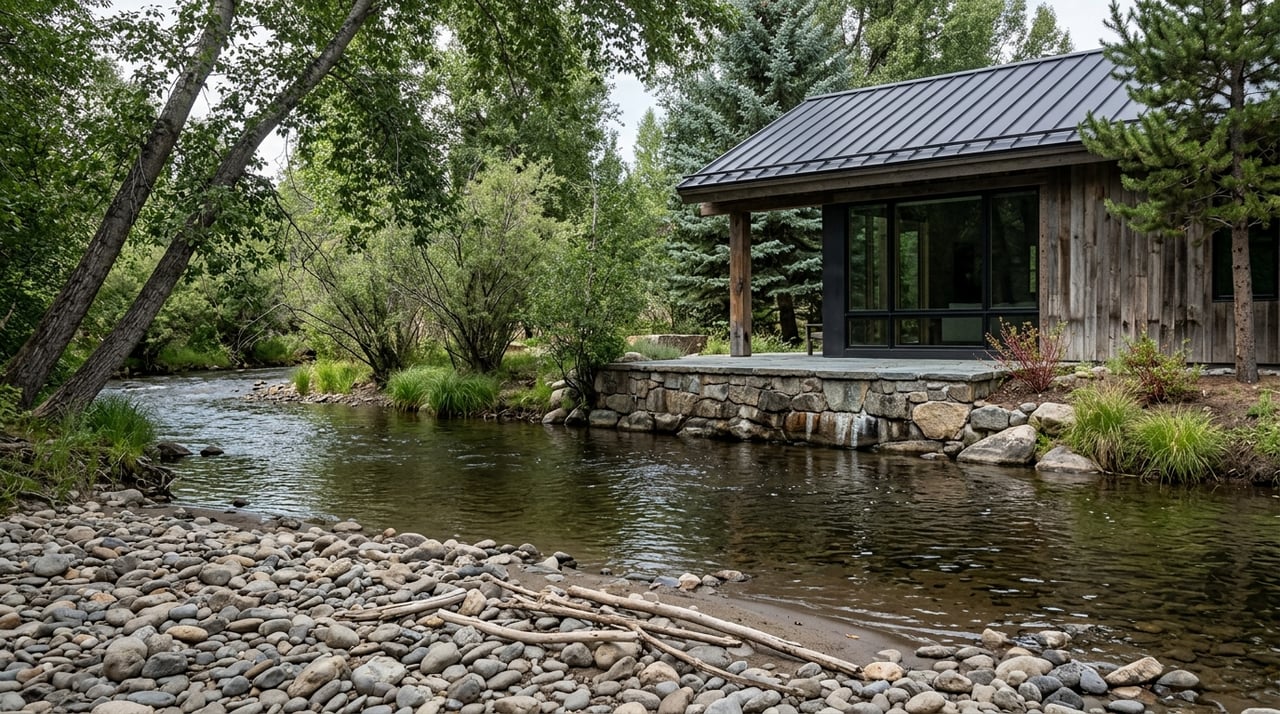
What river-adjacent ownership offers
The Snake River corridor through Jackson Hole runs roughly 33 miles from Moose to Hoback. County resources describe this stretch as a destination for boating, fishing, and riverside recreation, with broad views of the Teton and Gros Ventre ranges.
If you are drawn to daily connection with the water, a river-adjacent property can offer a very distinct lifestyle. These homes often appeal to buyers who want recreation close at hand and who value the rhythm of a more active, outdoor-oriented setting.
What to check before you fall in love
With river property, the view is only part of the story. Teton County waterbody standards require a 150-foot setback from the ordinary high-water mark of the Snake River, or from the top of the levee where a levee is present, and that protected area must remain free of development and most storage or parking uses.
That means a parcel can look generous on paper while offering much less buildable area in practice. If you are considering a river property, one of the first questions should be how setbacks, access, and flood-related rules affect the usable footprint.
Floodplain risk matters
Teton County states that flood hazard areas are subject to periodic inundation. The county also notes that levees may reduce risk, but they do not remove the possibility of flooding.
For you, that makes early floodplain review essential. A river property can be exceptional, but you will want to understand how flood mapping, levee context, and insurance considerations affect both current enjoyment and long-term planning.
Ranch properties and acreage north of Jackson
What defines a ranch parcel
Ranch-style acreage north of Jackson tends to appeal to buyers who want land, privacy, and a strong sense of stewardship. In Teton County's rural area code, the R-1 zone is intended to preserve undeveloped open space and agricultural character through active stewardship, with large contiguous open spaces that remain mostly undeveloped.
The county also defines agriculture broadly. That definition includes ranching, livestock, forage, crops, timber, and greenhouse production, which helps frame how rural land is understood and regulated.
Why acreage often feels like a legacy purchase
A ranch property usually offers the deepest feeling of ownership across the landscape. For many buyers, that means room for horses, guest uses, or a more self-contained estate setting, along with a quieter relationship to neighboring development.
At the same time, more land often means more responsibility. Acreage parcels may carry conservation, habitat, scenic, and access considerations that shape how the property can be improved and maintained.
Stewardship is part of the equation
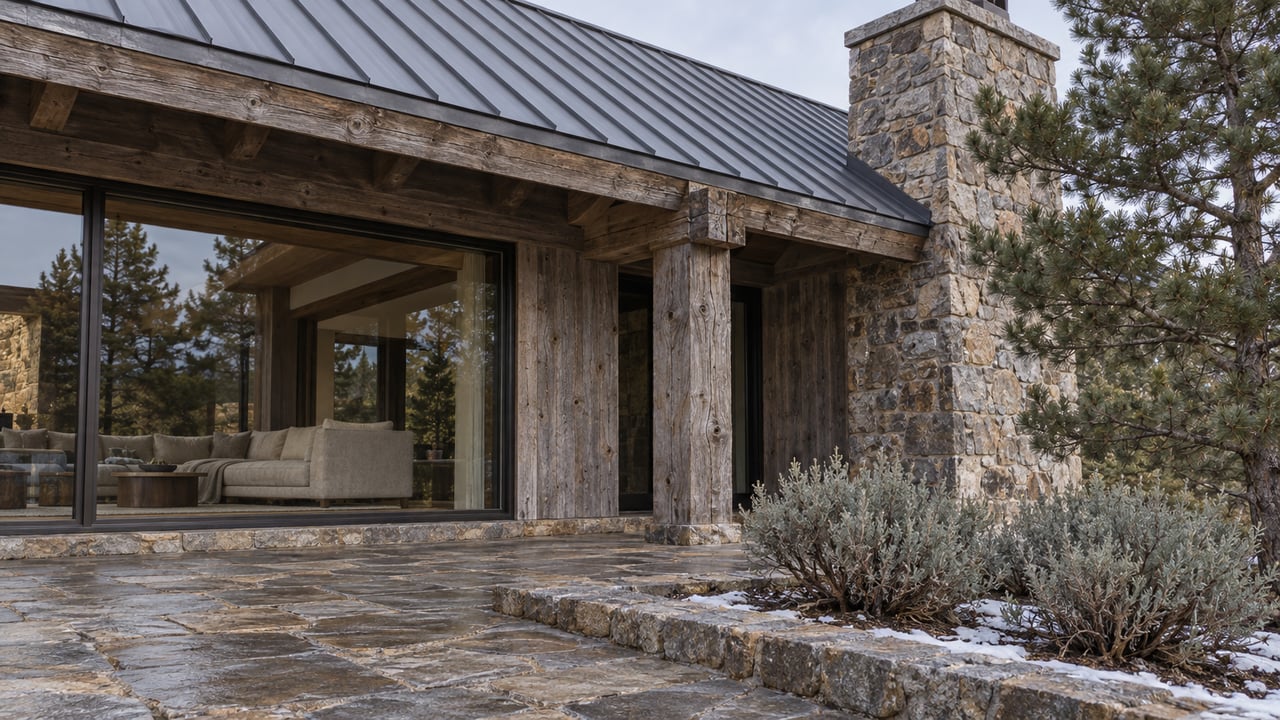
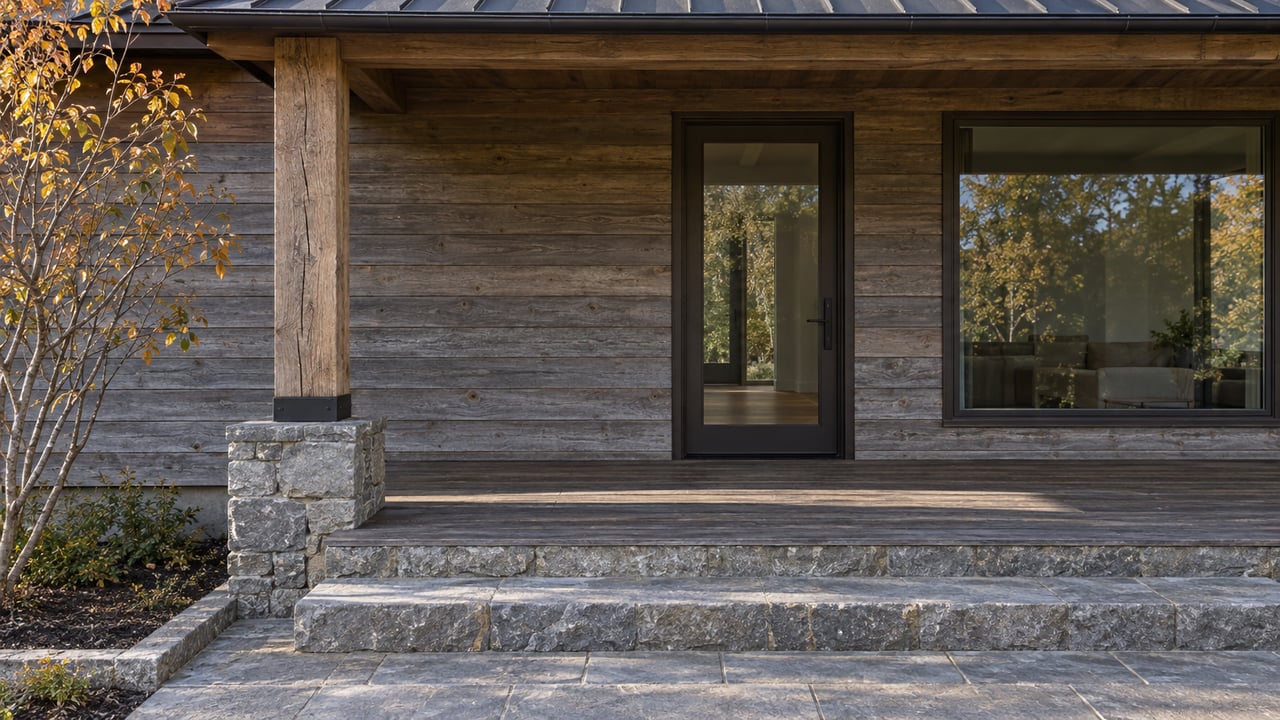
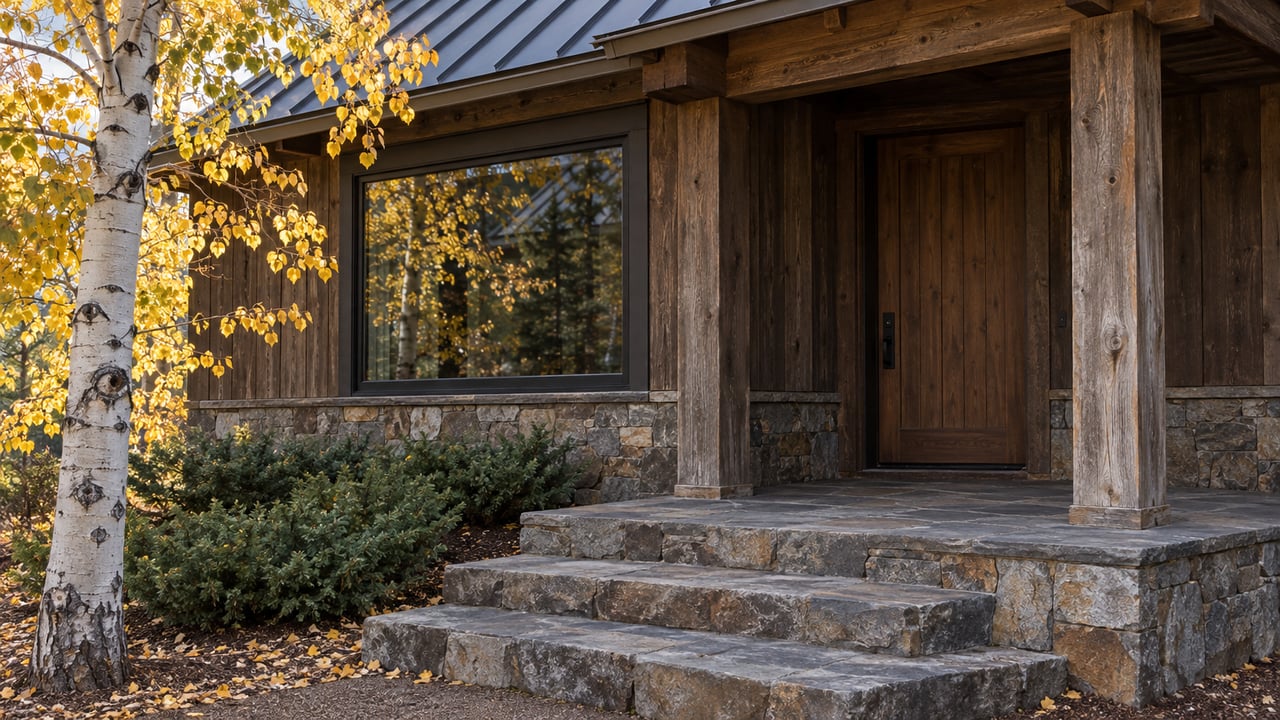
County rural standards commonly call for non-reflective exterior surfaces, earth-tone colors, wildlife-friendly fencing, and low-lighting approaches. In practical terms, these standards support a subdued mountain-ranch character rather than a highly reflective or urban design language.
If you are considering acreage, it helps to think beyond purchase price and into day-to-day care. Ranch ownership often delivers privacy and flexibility, but it can also ask more of you in upkeep, land management, and long-range planning.
View lots and elevated homesites
Why view parcels attract design-minded buyers
View lots are often the most architecture-driven option north of Jackson. These parcels tend to appeal to buyers who want a home designed around the landscape, with long sightlines to mountains, meadows, and open valley floor.
In many cases, the value of a view parcel depends less on raw size and more on how well the home can be sited. A smaller parcel with strong orientation may outperform a larger one if the build envelope is more workable.
Scenic review can shape the outcome
Teton County's Scenic Resources Overlay is intended to preserve and maintain the county's most frequently viewed scenic resources. It regulates the location, design, and landscaping of development to maintain or complement those resources.
This matters because skyline and foreground settings are part of what people see from public roads. A parcel may offer a dramatic panorama, but the design process may still need to account for visibility, exterior reflectivity, lighting, and how the home sits within the broader landscape.
Slopes and siting can limit usability
In rural-zone standards, development is prohibited on slopes greater than 25 percent. Height, reflectivity, and lighting spill are also limited.
So while a view lot may promise the strongest visual impact, it may not provide the broadest usable acreage. For you, the key is to evaluate the actual homesite potential, not just the photos or the apparent elevation.
Key due diligence questions for any parcel
No matter which property type draws you in, north-of-Jackson land requires careful parcel-level review. The county and the Town of Jackson are separate jurisdictions, and Teton County emphasizes the importance of verifying parcels in the county GIS before making assumptions.
That GIS can include ownership, roads, zoning, conservation easements, and other details that affect value and future plans. For luxury buyers, this step is not a formality. It is often where the real shape of the opportunity becomes clear.
Confirm the jurisdiction first
A property in unincorporated Teton County may be regulated differently than one within town limits. That difference can affect development assumptions, review processes, and allowed uses.
Before you focus on finishes or architecture, confirm where the parcel sits legally. It is one of the simplest ways to avoid costly misreadings later.
Review overlays and environmental constraints
Teton County's newer land-use framework can include the Natural Resources Overlay, Scenic Resources Overlay, floodplain rules, and wildfire review. A county news release states that the new tiered Natural Resources Overlay and related amendments became effective May 1, 2025.
The county also says all private land parcels in Teton County and the Town of Jackson fall within the adopted Wildland Urban Interface map as of January 1, 2025. For you, that means natural-resource and wildfire review are not edge cases. They are central parts of the diligence process.
Understand access and driveway rules
Some properties north of Jackson, especially acreage and elevated parcels, may need long driveways or altered entrances. Teton County road access permit regulations require permits for private driveways or altered entrances to county highways.
This can influence budget, timing, and site planning. A beautiful parcel is only as functional as the access that supports it.
Check rental assumptions carefully
If part of your ownership plan includes renting the home, verify those rules early. Teton County's Planning FAQ states that short-term rentals under 31 days are generally prohibited in Teton County unless the property is in specified locations.
That is a meaningful distinction for second-home buyers who are comparing flexibility across properties. Rental potential should never be assumed based on the broader market.
How to choose between river, ranch, and view
If you want the strongest day-to-day connection to recreation and water, a river property may be the best fit. If you want privacy, open land, and a more legacy-oriented ownership experience, ranch acreage may align better.
If your priority is architecture, panorama, and the drama of the homesite itself, a view lot may be the right answer. None of these options is universally better. The right choice depends on what you want the property to feel like five, ten, or twenty years from now.
In a market shaped by public land, scenic protections, and layered review, the best acquisitions usually come from matching your lifestyle vision to the realities of the parcel. That is where careful local guidance matters most.
If you are considering a river property, a ranch parcel, or a view lot north of Jackson, Graham Faupel Mendenhall & Associates can help you evaluate the land, the setting, and the long-term fit with discretion and local insight.
FAQs
What is the main difference between river, ranch, and view properties north of Jackson?
- River properties emphasize water access and recreation, ranch properties emphasize acreage and stewardship, and view lots emphasize scenery and siting.
What should buyers verify first on a parcel north of Jackson?
- Buyers should first confirm whether the property is in unincorporated Teton County or within the Town of Jackson, then verify parcel details in the county GIS.
What regulations can affect land north of Jackson?
- Depending on the parcel, buyers may need to account for the Natural Resources Overlay, Scenic Resources Overlay, floodplain rules, wildfire review, zoning, and access regulations.
What are the main concerns with Snake River properties near Jackson?
- The biggest concerns are river setbacks, flood hazard exposure, buildable area, and how those factors affect development and long-term use.
Why can a view lot be harder to build on than it looks?
- A view lot may have scenic review, slope limits, height and lighting restrictions, or a constrained build envelope that reduces usable area.
Are short-term rentals allowed on properties north of Jackson?
- In Teton County, short-term rentals under 31 days are generally prohibited unless the property is in specified locations, so buyers should verify this early.
Do ranch and acreage properties north of Jackson have special design standards?
- Yes. County rural standards commonly call for features such as non-reflective surfaces, earth-tone colors, wildlife-friendly fencing, and low-lighting approaches.