Trying to choose between Star Valley Ranch and Teton Valley for your first mountain home? You are not alone. Many buyers want access to the Tetons without Jackson’s resort pricing and are weighing these two valleys as practical entry points. In this guide, you will learn how they differ on price, land and building, commute reliability, amenities, and long‑term costs so you can move forward with confidence. Let’s dive in.
The short answer
If you value a lower purchase price, in‑community amenities, and a straightforward path to ownership, Star Valley Ranch often wins. If you want the closest access to Grand Targhee and a lifestyle centered on the Tetons, Teton Valley is compelling, but you should budget more and plan for winter pass management. Both deliver big‑mountain living, just with different tradeoffs.
Price and land availability
What you can expect to spend
- Star Valley Ranch: Recent market snapshots commonly place median or typical listing prices in the mid‑six figures, often around the 600k to 700k range. This is materially below resort‑area pricing in Jackson and below many Driggs or Victor offerings.
- Teton Valley (Driggs/Victor/Tetonia): Buyers often see median listing figures in the high six to low seven figures, with many Driggs snapshots near 850k to 950k. Homes closest to Grand Targhee and strong Teton views tend to command more.
- Context for Jackson: Jackson Hole remains a premier resort market where medians are often in the low to mid millions. Many first‑time mountain buyers look to Star Valley or Teton Valley because Jackson is out of reach.
Numbers vary by source and reporting window. “Median list” and “median sold” are different metrics. Always verify final comps with local MLS data for the property you are considering.
Vacant land snapshots
- Star Valley Ranch: Sub‑acre to one‑acre lots often trade in the roughly 60k to 120k range, with larger Star Valley parcels pricing up from there depending on location and utilities.
- Teton Valley: One to 1.5 acre lots in desirable subdivisions commonly list around the 300k range; five‑acre sites often range from roughly 250k to 500k depending on views, irrigation rights, and proximity to town or Grand Targhee.
The upshot: if your goal is attainable land plus a well‑amenitized community, Star Valley Ranch usually offers the lowest entry point among the two valleys.
Housing, utilities, and permitting
Star Valley Ranch basics
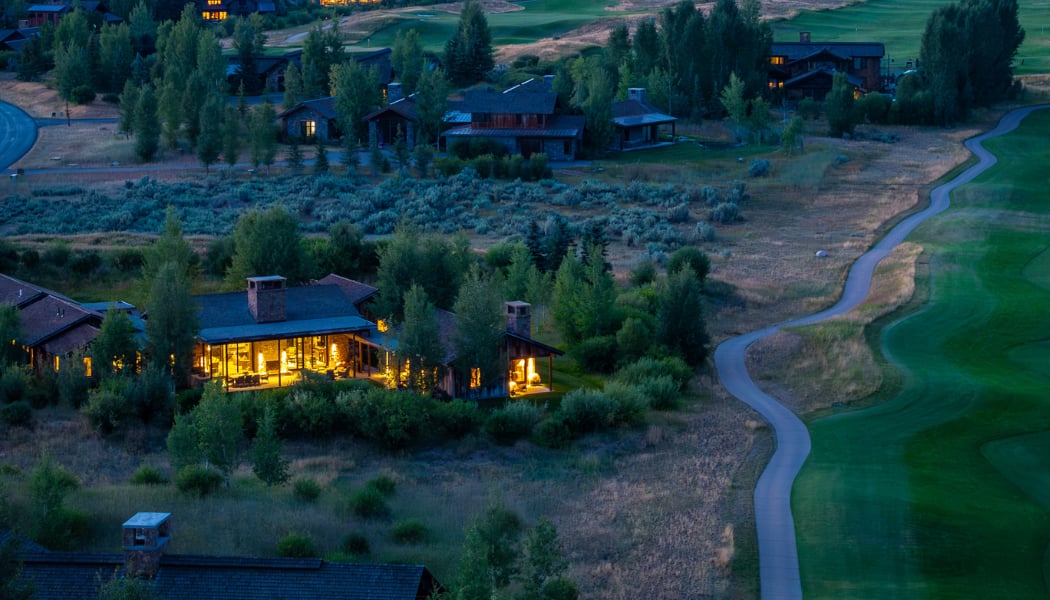
Star Valley Ranch is a planned mountain community with a large inventory of platted lots and a wide mix of single‑family homes. Many properties are part of the Star Valley Ranch Association, which provides amenities and publishes member information and fee schedules. You will also find an organized municipal water program. The Town’s Water Master Plan outlines wells, spring sources, tanks, and system upgrades, and it is an essential reference for understanding connection availability and capital planning. Review the Town plan to confirm if a specific lot has town water or requires a private solution. Wastewater service can be parcel specific, so confirm sewer versus septic during due diligence.
- Explore SVRA amenities and membership information on the Star Valley Ranch Association site: Star Valley Ranch Association.
- Review municipal water planning and system context here: Town of Star Valley Ranch Water Master Plan.
Teton Valley basics
In Teton Valley, you will find small‑town lots, newer subdivisions, and sought‑after acreage with mountain views. Many sites rely on private wells and septic systems. Some newer neighborhoods provide community water or sewer. You should confirm utility details, well and septic approvals, and any covenants, conditions, and restrictions for each parcel. Parcels with irrigation rights require documentation of water shares.
Build costs and seasonality
Construction in both valleys involves mountain logistics. Winter limits build windows, mobilization can be costlier, and inspections may take longer in peak seasons. Sloped sites, erosion control, and snow load engineering add cost. Local builder quotes tied to your specific parcel and plans always provide the most accurate budgeting.
Commute and seasonal reliability
Drives to Jackson and Targhee
- Star Valley Ranch to Jackson: About 50 to 55 miles, often 1 to 1.25 hours depending on conditions. The route avoids Teton Pass.
- Driggs to Grand Targhee: About 12 miles, often near 20 minutes, which is a major lifestyle draw for skiers and riders.
- Driggs or Victor to Jackson: Often 30 to 60 minutes when Teton Pass is open.
See regional notes on Grand Targhee access here: Getting to Grand Targhee.
Teton Pass closures
Teton Pass is a critical seasonal chokepoint. Avalanche control, storms, or slides can produce temporary closures that complicate daily east‑west travel. If you plan to commute to Jackson from Teton Valley, model closure frequency and detour time. The Idaho Transportation Department and WYDOT coordinate notices and detours; review recent updates to understand winter expectations: ITD District 6 notices.
Airports and air travel
Jackson Hole Airport serves both valleys, with seasonal flight patterns that can affect fares and schedules. Some Teton Valley owners also use Idaho Falls or other regional airports. If you will split time between cities, include airport access in your planning.
Amenities and daily life
SVR in‑community perks
Inside SVRA, you find a clubhouse environment with golf, a community pool, trails, and seasonal programming. Many owners value being able to walk or cart to activities, especially in summer. For buyers who want resort‑style amenities without resort pricing, this can be a key advantage. Learn more on the SVRA site.
Teton Valley lifestyle
Driggs and Victor offer small‑town cores with groceries, restaurants, outfitters, and a direct connection to Grand Targhee for winter and summer events. Amenities are more distributed across the valley and the ski hill, which is part of the appeal for owners who prioritize immediate mountain access.
Healthcare, schools, and broadband
Healthcare access
Star Valley Health operates a critical access hospital in Afton that supports local inpatient and clinic needs; more complex specialty care routes to larger regional facilities. Review the community health report here: Star Valley Health community report. In Teton Valley, local clinics and hospital services are available in Driggs, with specialty care often in Jackson or Idaho Falls.
Schools and services
Public school zoning and capacity vary by town and district. Confirm enrollment zones for your specific parcel. For Star Valley Ranch permits, utilities, and town services, the Town’s water and planning documents provide helpful context during due diligence.
Remote work and broadband
Both valleys have improving broadband, yet speeds and providers change block by block. Confirm service and expected speeds with local providers for each address. Many remote workers have moved into these communities since 2020, and infrastructure continues to evolve.
Taxes and ownership costs
Wyoming vs Idaho taxes
Wyoming does not levy a state personal income tax and is known for a low effective residential property tax burden, which can be a long‑term advantage for many owners. See state context on the Tax Foundation’s Wyoming page. Idaho has a state income tax, recently structured as a flat rate in the mid‑5 percent range under 2025 reforms. Review Idaho’s current overview here: AARP Idaho state tax guide.
Your actual property tax bill depends on county mill levies, school district assessments, and special districts. Always pull the current year estimate from county assessor data for the specific parcel.
HOA and association assessments
If you buy inside SVRA, plan for association dues tied to common amenities and operations. Fee schedules and governance materials are published by the association: SVRA owner resources. Some Teton Valley neighborhoods also have HOA dues; always verify transfer fees, capital contributions, and coverage.
Insurance and maintenance
Mountain properties carry exposure to wildfire, snow load, and drainage. Premiums can vary based on vegetation, distance to a fire station, and flood maps. Ask for a parcel‑level wildfire risk assessment, the property’s ISO or fire protection class, and current FEMA flood data. For budgeting, plan for snow removal, roof and driveway management, and seasonal road upkeep. Rural parcels also add well and pump maintenance.
Which buyers fit where
Choose Star Valley Ranch if you value
- A lower entry price and the fastest path to ownership in the Teton region.
- In‑community amenities such as golf, pool, clubhouse, and trails.
- A commute to Jackson that avoids Teton Pass closures, though with more miles.
- A large inventory of platted lots and an organized town water program for many areas.
Choose Teton Valley if you value
- The shortest drive to Grand Targhee and a Tetons‑centered lifestyle.
- Larger view parcels and a wider range of rural acreage options near resort recreation.
- A vibrant small‑town core in Driggs or Victor and quick access to year‑round events.
- Acceptance of seasonal Teton Pass management and a higher purchase budget.
Your next steps
Use this quick checklist to verify the items that change total cost and day‑to‑day life:
- Water and sewer: For Star Valley Ranch, confirm town water availability and connection details using the Water Master Plan, and verify sewer versus septic with town or county planning.
- HOA obligations: Review SVRA membership requirements and fee schedules on the SVRA site. Confirm HOA details for any Teton Valley property as well.
- Commute planning: If your routine depends on Teton Pass, study seasonal closure patterns and detours via ITD District 6 notices and WYDOT updates.
- Resort proximity: For ski access expectations, review drive times to Grand Targhee using regional guidance.
- Healthcare access: Note distance to local clinics and the Afton hospital; see the Star Valley Health report.
- Taxes: Model long‑term ownership costs using the Tax Foundation’s Wyoming context and Idaho’s state tax overview, then confirm county assessor estimates for a specific parcel.
- Insurance and risk: Ask your insurer for a wildfire risk score, ISO class, and flood zone confirmation before you write an offer.
When you are ready to compare specific properties, connect with a local advisor who can ground your decision in parcel‑level facts and real‑time market data. If you would like discreet, data‑driven guidance across the greater Teton ecosystem, reach out to Graham Faupel Mendenhall & Associates for a conversation.
FAQs
What is the price gap between Star Valley Ranch and Driggs for a first mountain home?
- Recent snapshots show Star Valley Ranch medians often around 600k to 700k, while Driggs commonly trends near 850k to 950k, though exact figures vary by source and timing; always verify with local MLS comps.
How reliable is the Driggs to Jackson commute in winter over Teton Pass?
- Teton Pass can close for avalanche control or storm events, which interrupts daily travel; plan alternatives and review state notices such as ITD District 6 updates before relying on a pass commute.
What amenities does the Star Valley Ranch Association include?
- SVRA operates two golf courses, a community pool, trails, restaurants, and seasonal programming for members; review current offerings and fee schedules on the SVRA site.
How do Wyoming and Idaho state taxes affect owning a second home?
- Wyoming has no state personal income tax and a relatively low effective property tax burden, while Idaho has a flat state income tax in the mid‑5 percent range; compare contexts via the Tax Foundation and AARP Idaho tax guide, then consult your tax advisor.
Are healthcare services close by in Star Valley and Teton Valley?
- Yes, Star Valley Health operates a hospital in Afton and Teton Valley has hospital and clinic services in Driggs; for community context, see the Star Valley Health community report.
Can I connect to town water in Star Valley Ranch or will I need a well?
- Many SVR parcels have access to the town’s centralized water system, but availability and fees are parcel specific; confirm connections using the Town Water Master Plan and with town planning, and verify sewer versus septic during due diligence.